

React at AMR Tech

The startup chapter: velocity, ownership, and product architecture

AMR Tech was where I practiced shipping fast without shipping random. We were building OTA-style travel and visa experiences, and every sprint forced us to align business urgency with clean technical direction.

Company

AMR Tech · Dubai

View on LinkedIn →

Period

Aug 2022 — Jul 2023

Focus

Business-First DecisionsProduct Architecture

AMR Moments

These moments show the learning culture, collaboration, and intensity behind the startup delivery pace that defined this chapter.

AMR React and Next.js knowledge sharing poster
Technical sharing sessions aligned implementation patterns across the frontend team.
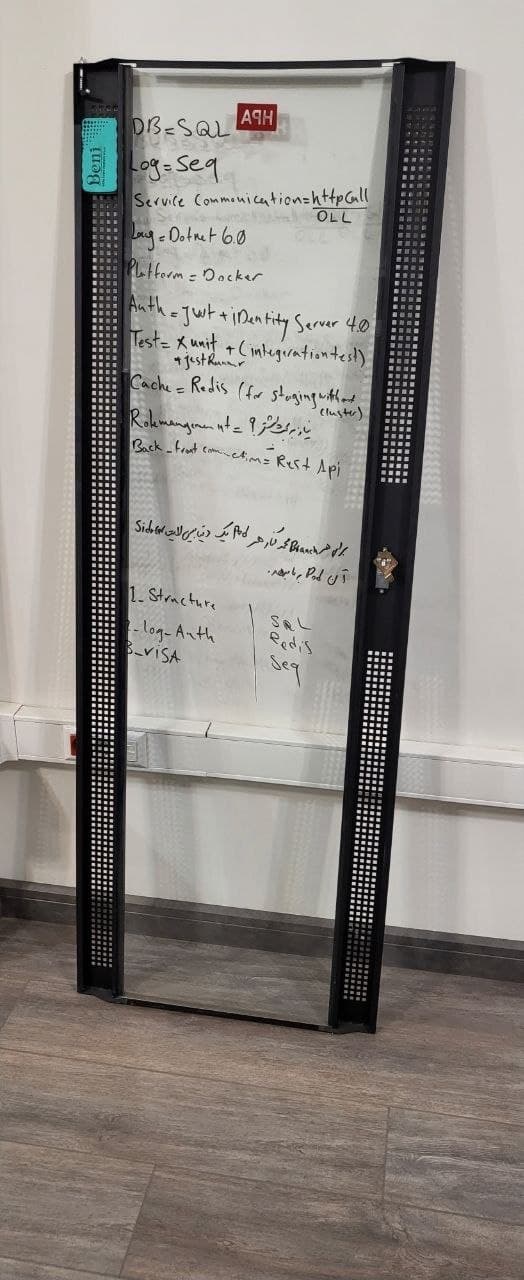
Architecture notes from an AMR planning session
Architecture planning made service boundaries and delivery priorities clearer before implementation.
AMR meetup audience engagement moment
Community and internal events strengthened engineering communication and team momentum.
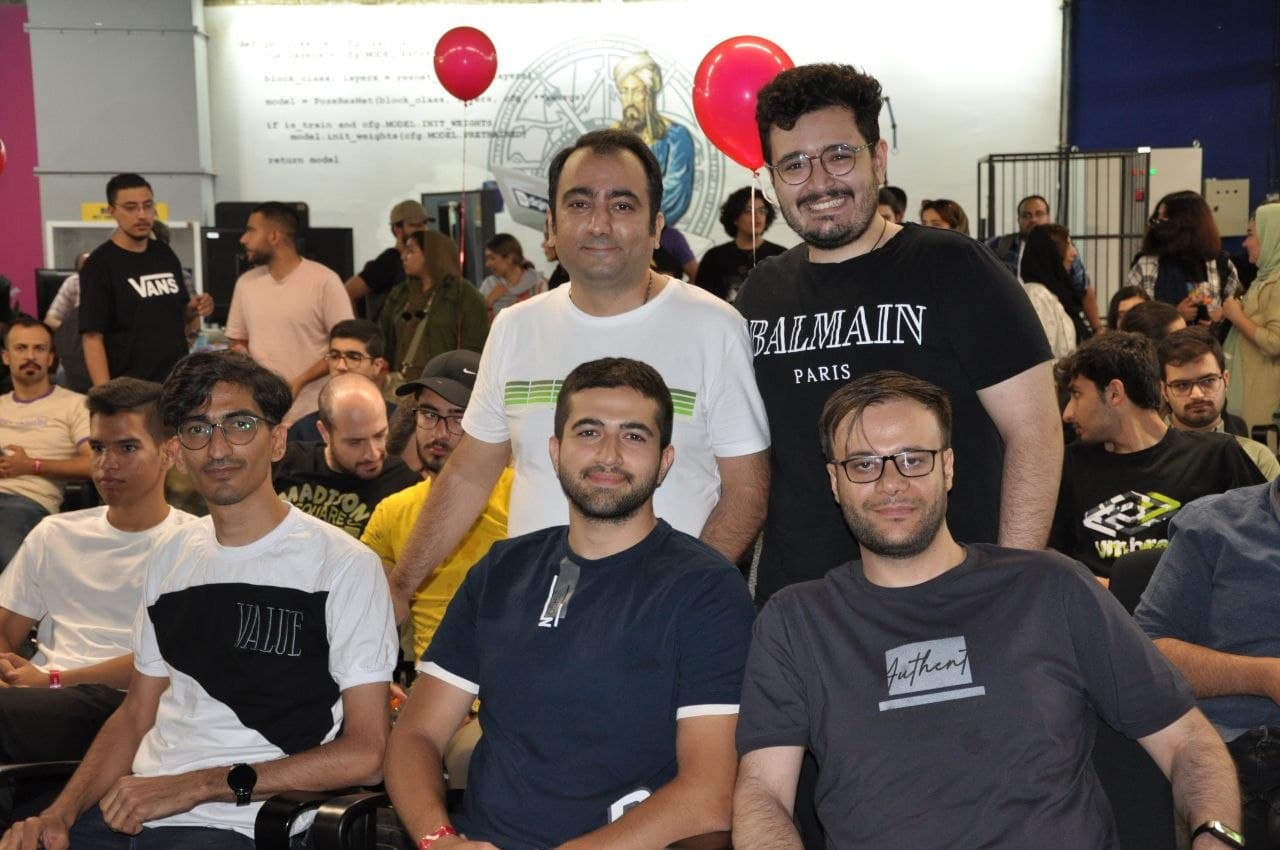
AMR team event group photo
Team culture supported faster collaboration and healthier execution during demanding sprints.

What Made This Chapter Matter

Startup Velocity

Moving fast meant understanding what actually mattered. Every feature decision had to align with limited resources and aggressive timelines.

Product Architecture

React gave us the tools to structure complex travel flows without creating maintenance nightmares. The right abstractions made shipping faster and safer.

Performance as Culture

Performance was not a metric to chase—it was a cultural value. Every engineer understood that a slow page was a lost customer.

Team Ownership

Each engineer owned pieces of the product end-to-end. That ownership meant they cared about the actual user experience, not just code quality.

Performance

Trying to Make a Busy Product Feel Calm

Because speed is emotional before it is technical

Travel products can become noisy very quickly. A few extra widgets here, a heavier screen there, and suddenly the whole thing feels more stressful than it should.

A lot of my React work at AMR was about calming that down: optimizing libraries, improving asset loading, and dynamically importing heavy components like charts until the experience felt lighter in the hand.

We improved web performance in meaningful ways, but what I remember more is the feeling that the product finally breathed better. It stopped fighting the user so much.